
Although skin cancer is rare in children, it is best to follow sun safe practices now to help protect your child from getting skin cancer as an adult!
Adults should get regular skin-cancer screenings starting in their 20s, but most children don’t need regular skin exams by a dermatologist to check for skin cancer, unless they have risk factors that make them more susceptible. Parents- here’s what you need to know about skin cancer:
Types
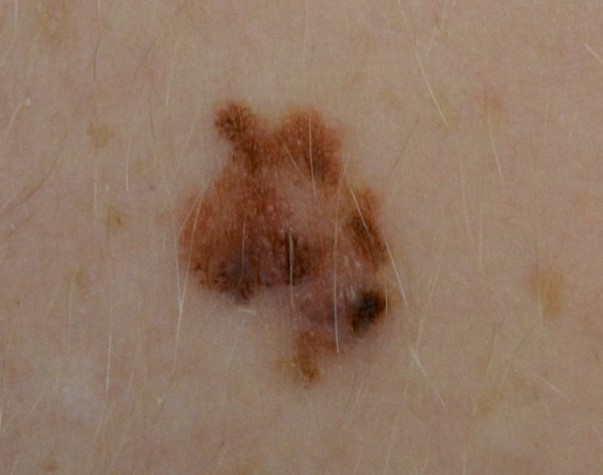
Melanoma
This type of skin cancer can spread quickly to anywhere on the body, so early detection is key. This type can even develop on sun-protected skin! It can look like a bump that’s growing or bleeding and doesn’t go away. It can also look like a mole that’s changing shape, size, color, or feel.
Non-Melanoma
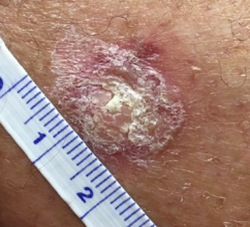
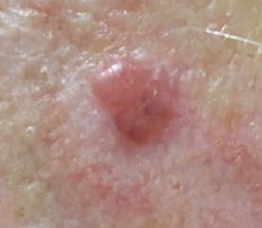
Immunosuppressed children (those whose defense systems are weakened by illness, medication, or treatments) are more likely to develop non-melanoma cancers. These can look like a small sore, but lasts more than 8 weeks.
- Basal cell carcinoma: pearly pink bump, scaly spot, or non-healing sore.
- Squamous cell carcinoma: scaly pink spot, bump, or non-healing sore.
Identifying
It is normal for kids to develop new moles as they age, but skin cancers usually appear more as pink, growing, or bleeding bumps on previously normal skin. If they do develop a new mole, it should never grow rapidly or change after it has appeared. Any new, unexplained bumps that stick around for longer than 8 weeks, or non-healing sores should be evaluated by your provider.
The ABCDE’s of Skin Spots
Here is an easy way to identify features of possible melanoma:
- Asymmetry: one side of a mole looks different than the other side
- Border: the edges are irregular or poorly defined
- Color: multiple colors within one mole, pink or red spots instead of brown, or an existing mole that changes colors
- Diameter: larger than 1/4 inch (a pencil eraser) increases risk, but some skin cancers are smaller if found early. This is the least important feature, as some birthmarks (congenital moles) can be larger than this but don’t have a higher risk of skin cancer.
- Evolving: a mole or lesion than looks different from others, different than it used to, or begins bleeding, itching, or crusting. Mole that grow rapidly are worrisome. Take photos over time to monitor changes.
Risk Factors
- Hereditary cancer syndromes
- Genetic syndromes that increase sun sensitivity
- Suppressed immune system, organ or stem cell transplant, chemotherapy, or certain medications
- History of skin cancer
- History of radiation therapy
- Family history of melanoma in a parent or sibling
- Medications that make skin easier to damage or burn
If your child has any of these risk factors, you should talk with their pediatrician about having a skin exam and consider seeing a dermatologist.
Treatment
Choice of treatment depends on many factors such as type of cancer, size, and location. Options might include:
- Creams that activate the immune system (imiquimod or 5-fluorouracil)
- Procedures that scrape, burn, or surgically remove the cancer
- Oral or intravenous chemotherapy medications
- Combinations of the above options
Your dermatologist will help choose which treatment is best for your child’s specific situation.
Prevention
The good news is, most skin cancers are preventable! Your most important risk factor for developing skin cancer is early sun exposure and sunburns. There a many options to help you protect your child from radiation from the sun:
- Seek out shade when outside. Avoid outdoor activities during the midday (10am-2pm) when the sun is the most intense.
- Wear a wide-brimmed hat that goes all the way around the head, protecting your scalp, ears, and back of the neck.
- Wear long sleeve shirts, full length pants, and sun-protective clothing that has ultraviolet protection factor (UPF).
- Wear sunglasses.
- Apply sunscreen with SPF 30 or higher every 2 hours, more often if you are swimming or sweating. For children, sunscreens containing zinc oxide or titanium oxide are safe and effective.
- Avoid tanning beds. Tanning bed rays are even more harmful than those from the sun. Getting a “base tan” before going into the sun is not safe or protective.